
Introduction
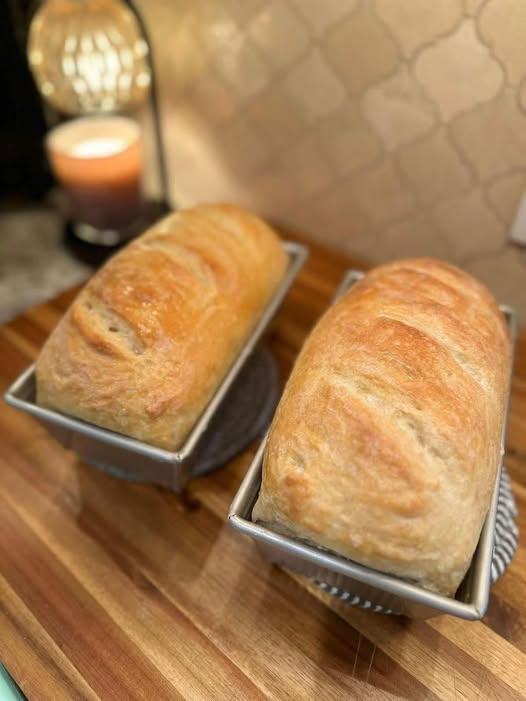
This double sourdough bread recipe is about making a beautiful homemade bread with extra flavor and extra care. The word double means this bread goes through two slow rises which helps improve taste texture and aroma. This recipe focuses on patience and simple steps rather than speed. It uses a natural sourdough starter instead of commercial yeast. This makes the bread feel more traditional and comforting. The crust becomes golden and crisp while the inside stays soft and chewy. This recipe is perfect for people who want to learn real bread baking at home. Even beginners can follow it with confidence and joy.
People love double sourdough bread because it tastes deeper and richer than regular bread. The slow fermentation gives a gentle sour flavor that feels warm and satisfying. Many people enjoy the smell of sourdough baking in the kitchen because it feels calm and home like. The bread feels alive and special because it is made with time and care. People also love the texture which is airy yet filling. Each slice feels strong enough for sandwiches but soft enough for butter and jam. Sharing this bread with family often brings smiles and compliments.
You may want to make this double sourdough bread recipe for many reasons. Some people bake it for emotional comfort because baking bread feels peaceful and grounding. Others enjoy it for taste because sourdough has a unique flavor that store bread cannot match. Some people choose sourdough for fitness or digestion reasons because long fermentation can be easier on the stomach. Baking this bread can also make you feel proud and confident. Watching dough grow and turn into bread is deeply satisfying. This recipe turns simple ingredients into something meaningful and nourishing.
Ingredients You Will Need
Active sourdough starter 200 grams
Warm water 700 milliliters
Bread flour 1000 grams
Salt 20 grams
Olive oil 1 tablespoon optional
Step by Step Method
First prepare your sourdough starter. Make sure it is active and bubbly. Feed it with flour and water several hours before starting. When it doubles in size and smells slightly sour it is ready to use. This step is very important for good bread.
In a large mixing bowl add warm water and sourdough starter. Mix gently using your hand or a spoon until the starter dissolves in the water. Add the bread flour slowly. Mix until all the flour is wet and forms a rough dough. Do not worry about smoothness at this stage.
Cover the bowl with a clean cloth and let the dough rest for thirty minutes. This rest time helps the flour absorb water and makes kneading easier. After resting add salt and olive oil if using. Mix again until everything is combined.
Now begin kneading the dough. You can knead on a clean surface or inside the bowl. Push the dough away from you then fold it back. Turn and repeat. Do this for about ten minutes until the dough becomes smooth and elastic. It should feel soft and stretchy.
Place the dough back into the bowl and cover it. Let it rise at room temperature for four hours. Every thirty minutes stretch and fold the dough. To do this gently pull one side up and fold it over the center. Turn the bowl and repeat. This builds strength in the dough.
After the first rise the dough should look bigger and airy. Now gently remove it from the bowl and shape it into a round or oval loaf. Place it into a floured proofing basket or bowl. Cover again and let it rise for another four hours or overnight in the fridge. This is the second rise which gives the bread deeper flavor.
When ready to bake preheat your oven to two hundred thirty degrees Celsius. Place a heavy pot or baking stone inside to heat. Carefully place the dough into the hot pot or onto the stone. Score the top with a sharp knife to help it expand.
Bake with the lid on or with steam for twenty minutes. Then remove the lid or steam source and bake for another twenty minutes. The bread should be dark golden and sound hollow when tapped. Remove and let it cool completely before slicing.
Why This Recipe Is Special
This double sourdough bread recipe is special because it uses time as an ingredient. The two slow rises allow flavor to develop naturally. This creates a bread that tastes complex yet gentle. The texture becomes light but still filling which many people love.
From a health point of view sourdough fermentation can help break down gluten and make nutrients easier to absorb. Some people find sourdough easier to digest than regular bread. The long process also avoids artificial additives which makes it feel cleaner and more natural.
The taste is rich slightly tangy and deeply satisfying. The crust adds crunch while the inside stays soft. This balance makes the bread perfect for many uses. It works for breakfast lunch or dinner. It feels homemade and full of care.
Extra Tips for Better Taste
Use good quality flour for best results. Fresh flour improves flavor and texture.
Keep the dough warm but not hot during rising. A calm warm space helps fermentation.
Do not rush the process. Time creates better flavor in sourdough.
Use a sharp knife for scoring to control how the bread expands.
Let the bread cool fully before slicing to avoid gummy texture.
Store bread in a cloth or paper bag to keep crust crisp.
Final Thoughts
Double sourdough bread is a beautiful recipe for anyone who loves real homemade food. It teaches patience and rewards you with amazing taste. The process feels calming and meaningful. Even beginners can succeed by following the steps slowly. This bread brings warmth comfort and pride to your kitchen. Once you bake it you may never want store bread again.
Nutrition Details
Below is an approximate nutrition table per serving based on one slice.
| Nutrition Component | Amount per Serving |
| Calories | 160 |
| Protein | 5 grams |
| Fat | 1 gram |
| Carbohydrates | 32 grams |
| Fiber | 2 grams |
| Sodium | 320 milligrams |
This bread provides energy from carbohydrates and small amounts of protein. It can be part of a balanced diet when eaten in moderation.
Disclaimer
This article is for general information only. Everyone body is different and reacts differently to food. Some people may have sensitivities to gluten or fermented foods. Always listen to your body and consult a health professional if you have medical conditions. Results and experiences may vary from person to person.
