
Introduction
There are some cakes that never go out of style, and butter cake is one of them. It is soft, rich, and full of flavor. The first bite melts in your mouth, and the sweet buttery aroma fills the room with comfort. Butter cake is one of the simplest cakes to make, yet it feels so special. Many people love it because it reminds them of home, family gatherings, or the smell of their mother’s kitchen. The recipe does not need fancy tools or difficult techniques, only a few basic ingredients and some love.
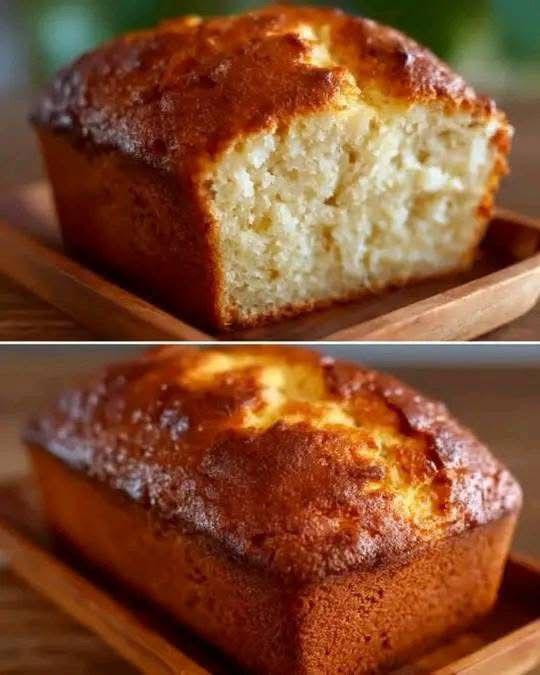
Butter cake is perfect for anyone who wants a dessert that feels both cozy and classic. The texture is moist and tender, with just the right amount of sweetness. It pairs beautifully with tea, coffee, or even a glass of milk. You can enjoy it plain, dust it with sugar, or add your favorite toppings like fruits or whipped cream. Whether you are celebrating something special or just want a little treat after dinner, butter cake fits every mood. Its golden crust and soft crumb make it an irresistible choice for both beginners and experienced bakers.
This cake is also wonderful for emotional comfort. On cold days, baking a butter cake can warm your heart and fill your home with a lovely smell. On happy occasions, it becomes a symbol of togetherness. When life feels heavy, a slice of butter cake with a warm drink can bring a quiet kind of peace. Many people also love it for its versatility, as you can turn it into a layered birthday cake, a tea-time snack, or a holiday dessert. The simplicity of this recipe is what makes it so special. Once you bake it, you will understand why it is loved in so many homes around the world.
Ingredients You Will Need
Here are all the ingredients for a basic and classic butter cake. Try to use good quality butter and fresh eggs for the best taste.
-
All-purpose flour – 2 cups
-
Unsalted butter – 1 cup (softened at room temperature)
-
Granulated sugar – 1 and 1⁄2 cups
-
Eggs – 4 large
-
Baking powder – 2 teaspoons
-
Milk – 1⁄2 cup
-
Vanilla extract – 2 teaspoons
-
Salt – 1⁄4 teaspoon
If you want to make it richer, you can add a few optional ingredients such as:
-
Lemon zest – 1 teaspoon (for a light citrus flavor)
-
Almond extract – 1⁄2 teaspoon (for a nutty aroma)
-
A few tablespoons of sour cream or yogurt for extra moisture
Step by Step Method
Follow these steps carefully, and your butter cake will come out soft, moist, and delicious every time.
Step 1: Prepare your baking pan
Before you start, preheat your oven to 350 degrees Fahrenheit or 175 degrees Celsius. Take a round or rectangular cake pan and lightly grease it with butter. Then dust it with flour so the cake does not stick. You can also line it with baking paper for easy removal later.
Step 2: Mix the dry ingredients
In a large bowl, sift together the flour, baking powder, and salt. Sifting helps to mix them evenly and makes the cake lighter. Set the bowl aside.
Step 3: Cream the butter and sugar
In another large mixing bowl, add the softened butter and granulated sugar. Use a hand mixer or a stand mixer to beat them together until the mixture looks pale, creamy, and fluffy. This step is very important because it adds air to the batter, helping the cake rise well in the oven.
Step 4: Add the eggs one by one
Now add the eggs, one at a time, to the butter and sugar mixture. Beat well after each egg. This will help everything blend smoothly. Do not rush this step. The mixture should stay creamy and not look curdled.
Step 5: Add the flavor
Stir in the vanilla extract. If you are using lemon zest or almond extract, add them at this stage as well. These small additions can completely change the flavor of the cake and make it more exciting.
Step 6: Combine dry and wet ingredients
Now bring back the bowl of dry ingredients. Add half of the flour mixture to the butter mixture and gently mix. Then pour in half of the milk and mix again. Repeat this process with the remaining flour and milk. Always end with flour. Mix only until everything is just combined. Do not overmix or your cake might become dense.
Step 7: Pour the batter into the pan
Once the batter is smooth and thick, pour it into the prepared pan. Use a spatula to spread it evenly. Tap the pan gently on the counter to remove any air bubbles trapped inside.
Step 8: Bake the cake
Place the pan in the preheated oven and bake for about 40 to 50 minutes. The baking time can vary depending on your oven and the size of your pan. You will know it is done when the top looks golden brown and a toothpick inserted in the center comes out clean. Avoid opening the oven too early because it can cause the cake to sink.
Step 9: Cool before serving
When the cake is ready, remove it from the oven and let it cool in the pan for about 10 minutes. Then transfer it to a wire rack to cool completely. If you cut it too early, the cake might crumble. Once cool, you can slice and serve it as is, or dust it lightly with powdered sugar.
Step 10: Optional decorations
You can make your butter cake even more special by adding a topping. Spread a layer of buttercream frosting, drizzle some chocolate sauce, or serve it with whipped cream and fresh berries. You can also sprinkle a little cinnamon sugar on top for a cozy flavor.
Why This Recipe Is Special
The butter cake recipe is special because of its simplicity and comforting taste. It does not need fancy ingredients or professional skills. Anyone, even a beginner in baking, can make it with success. The texture is soft yet rich, and the buttery flavor gives a feeling of satisfaction that few desserts can match. It is one of those cakes that taste good on their own, without any need for frosting or decoration.
Butter also gives this cake a deep, warm aroma that spreads throughout the house. When it bakes, it smells like happiness. The balance of sweetness makes it perfect for both children and adults. You can eat it for breakfast, as an afternoon snack, or after dinner. It is not overly heavy, which makes it a nice dessert even after a full meal.
From a health perspective, homemade butter cake is better than many store-bought desserts because you know exactly what goes into it. There are no preservatives or artificial flavors. You can even use healthier choices like organic butter or unrefined sugar if you prefer. You can also reduce the sugar a little without affecting the taste too much. It is a recipe that brings joy and comfort while still being wholesome when eaten in moderation.
Extra Tips for Better Taste
-
Use room temperature ingredients
Always make sure your butter, eggs, and milk are at room temperature before mixing. This helps them blend smoothly and gives the cake a soft, uniform texture. -
Do not overmix
Once you add the flour, mix only until the ingredients are combined. Overmixing creates gluten, which can make your cake tough instead of soft. -
Choose good quality butter
Since butter is the main flavor, use a high-quality brand. The better the butter, the richer the taste of your cake. -
Add a touch of acid
A spoon of lemon juice or a bit of yogurt can add brightness to the flavor and balance the sweetness. -
Try flavored syrups
You can brush the cooled cake with simple syrup or honey syrup to make it extra moist. For a twist, add a few drops of vanilla or almond extract to the syrup. -
Experiment with toppings
Top your butter cake with fresh fruits like strawberries, peaches, or blueberries. They add color and a burst of freshness. -
Make it festive
For birthdays or holidays, layer two butter cakes with cream cheese frosting or chocolate ganache. It becomes an elegant centerpiece for any occasion. -
Store it the right way
Keep your butter cake in an airtight container at room temperature for up to three days. For longer storage, wrap it tightly and refrigerate for up to a week. You can also freeze it for up to a month and thaw it before serving.
Final Thoughts
Baking a butter cake is more than just cooking; it is an experience of love and care. The process of creaming butter, folding the flour, and waiting for that golden crust to form in the oven brings joy to any kitchen. Each slice tells a story of warmth and sweetness. Whether you are baking for your family, friends, or yourself, this cake will always make people smile.
The beauty of this recipe lies in how simple it is. No matter how many fancy desserts appear in the world, a good old butter cake will never lose its charm. It is the kind of cake that turns an ordinary day into something special. Serve it plain, frosted, or with your favorite drink, and it will always taste wonderful. Once you try this recipe, it will become a regular in your kitchen, a trusted companion for both happy moments and quiet evenings.
So next time you crave something soft, sweet, and comforting, skip the store and make this butter cake at home. You will enjoy every moment of it, from the smell that fills the air to the final bite that melts in your mouth. Happy baking!
Nutrition Details
Below is an approximate nutrition breakdown for one serving of butter cake, assuming the recipe makes ten slices.
| Nutrient | Amount per Serving |
|---|---|
| Calories | 320 kcal |
| Protein | 5 grams |
| Fat | 18 grams |
| Saturated Fat | 11 grams |
| Carbohydrates | 36 grams |
| Sugar | 22 grams |
| Fiber | 0.6 grams |
| Cholesterol | 95 milligrams |
| Sodium | 160 milligrams |
| Calcium | 50 milligrams |
| Iron | 1 milligram |
Note: These values are approximate and can vary depending on the brand of ingredients used and portion size. If you use low-fat milk or less sugar, the calorie count may reduce slightly.
Disclaimer
This recipe is made for general enjoyment and should be eaten as part of a balanced diet. Every person’s body is different, and reactions to foods can vary. If you have food allergies or special health conditions, please check the ingredients carefully before consuming. Always listen to your body and enjoy desserts in moderation.
