
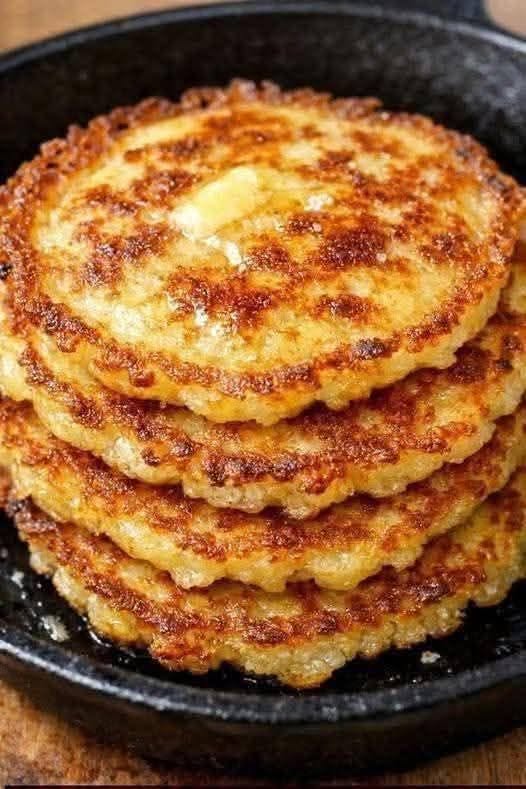
Homemade pancakes are one of the most comforting breakfast options in the world. This specific recipe is all about creating the fluffiest and most delicious pancakes right in your own kitchen without any complex steps or hard to find ingredients. Many people feel intimidated by the idea of making breakfast from scratch because they worry about lumps in the batter or burning the cakes on the pan. However, this guide is designed to remove all that stress and show you exactly how easy it is to achieve perfect results every single time. We will look at how basic pantry staples like flour, sugar, milk, and eggs come together to form a rich and smooth batter that rises beautifully as soon as it hits a hot surface. By understanding the simple science behind how these ingredients interact, you will be able to master the art of breakfast cooking and impress everyone at your table. This recipe does not require any special tools or professional culinary skills, which makes it absolutely perfect for beginners who are just starting their cooking journey. You will learn the correct mixing techniques, the right pan temperature, and the visual cues that tell you exactly when it is time to flip your pancakes for that beautiful golden color.
People absolutely love this recipe because it delivers a nostalgic taste and a texture that feels like a warm hug on a plate. There is something truly magical about cutting into a stack of fresh pancakes that are light as air on the inside while having a slightly crisp edge on the outside. Restaurant pancakes often look amazing, but they can sometimes taste bland or feel too heavy in your stomach because they use artificial thickeners or too much heavy oil. This homemade version relies on fresh ingredients that you control, which means the flavor is pure, clean, and perfectly balanced between sweet and savory. Families love this recipe because it brings everyone together into the kitchen where children can help mix the dry ingredients or choose their favorite toppings. It is a crowd pleasing meal that can easily be doubled or tripled if you have a large family or if you are hosting a morning gathering for your closest friends. The sheer joy of watching a simple liquid batter puff up into a beautiful golden cake is a satisfying experience that makes people fall in love with cooking all over again.
You should make these pancakes whenever you want to bring a little bit of extra happiness and warmth into your morning routine. Weekends are the classic time for a big breakfast because life slows down and you actually have the time to sit at the table with a hot cup of coffee and a tall stack of food. However, this recipe is so quick that you can even make it on a busy weekday morning when you need a comforting burst of energy to start your day. From an emotional standpoint, cooking a fresh meal for yourself or your loved ones is a wonderful way to show care and create lasting memories that stay with you. For those who are focused on fitness or specific health goals, making pancakes at home allows you to control the sugar levels or swap out ingredients to match your nutritional needs perfectly. You can use this recipe as a base for a high protein pre workout meal by adding protein powder, or you can keep it classic for a well deserved cheat day treat. Whether you are celebrating a special birthday, treating someone to breakfast in bed, or simply trying to survive a rainy Tuesday morning, these pancakes provide the ultimate comfort.
Understanding the balance of your breakfast is key to enjoying it fully without any guilt or worry about your health goals. This recipe strikes the perfect balance because it satisfies your sweet tooth while still providing a solid amount of carbohydrates to fuel your brain and muscles for the hours ahead. When you make food at home, you skip all the chemical preservatives, artificial colorings, and excess sodium that commercial factories put into boxed mixes to extend shelf life. You get to enjoy the pure goodness of real milk, farm fresh eggs, and quality flour which digest naturally and give you sustained energy instead of a sudden sugar crash. The aroma that fills your house while these cook is also a form of sensory therapy that reduces stress and makes your living space feel incredibly cozy and inviting. It is an affordable luxury that costs only a few cents per serving but feels like a five star hotel meal when served with fresh fruit and real syrup. Now that you know why this recipe is a must try for every home cook, let us look at the exact items you need to gather from your pantry to get started.
Ingredients You Will Need
To make these wonderful homemade pancakes, you will need to gather a few basic ingredients from your kitchen pantry and refrigerator. Please make sure all your refrigerated items sit at room temperature for a few minutes before you start mixing because this helps the batter combine smoothly.
-
2 cups of all purpose flour
-
3 tablespoons of white granulated sugar
-
2 teaspoons of baking powder
-
1 half teaspoon of salt
-
1 half cups of whole milk
-
1 large egg
-
4 tablespoons of unsalted butter
-
1 teaspoon of pure vanilla extract
-
1 tablespoon of vegetable oil for the cooking pan
Step by Step Method
Step 1: Prepare Your Dry Ingredients
Take a large mixing bowl and place a fine mesh strainer over the top of it. Pour your 2 cups of all purpose flour, 3 tablespoons of white granulated sugar, 2 teaspoons of baking powder, and 1 half teaspoon of salt into the strainer. Gently shake the strainer back and forth so the dry ingredients sift down into the bowl in a fine, lump free powder. Sifting is an important step because it introduces air into the flour, which directly helps your pancakes become much fluffier during the cooking process. Use a spoon to mix these dry items together for a few seconds until they are completely combined, then create a small well or hole right in the center of the mixture.
Step 2: Melt the Butter and Mix Liquids
Place your 4 tablespoons of unsalted butter into a small microwave safe bowl. Heat it in your microwave for about 20 or 30 seconds until it is completely liquid, then set it aside for a minute so it cools down slightly. In a separate medium sized bowl, crack your 1 large egg and whisk it vigorously with a fork until the yolk and white are fully blended. Pour your 1 half cups of whole milk and 1 teaspoon of pure vanilla extract into the egg, then slowly pour in the melted butter while whisking continuously. Mixing the butter in slowly prevents it from cooking the egg if the butter is still a bit warm from the microwave.
Step 3: Combine Wet and Dry Mixtures
Slowly pour your liquid mixture directly into the well you created in the center of your dry ingredients. Grab a large wooden spoon or a rubber spatula and begin gently folding the ingredients together. Move your spoon from the bottom of the bowl up to the top, turning the mixture over itself rather than stirring it rapidly. It is extremely important that you do not overmix this batter because overmixing develops gluten in the flour, which will make your pancakes tough and chewy instead of soft and fluffy. Stop mixing the very moment you see the flour disappear, even if the batter still looks a bit bumpy and uneven.
Step 4: Let the Batter Rest
Leave your bowl of batter alone on the kitchen counter for about 10 minutes. This resting time is a secret trick that allows the baking powder to activate and start creating tiny air bubbles throughout the mixture. It also gives the flour time to absorb the milk fully, which relaxes the gluten and ensures a tender texture. While the batter is resting, you can set up your cooking station and get your pan ready.
Step 5: Heat Your Cooking Surface
Place a large nonstick skillet or a flat griddle pan on your stove over medium heat. Let the pan heat up thoroughly for about 3 or 4 minutes because a cold pan will cause your pancakes to absorb oil and become soggy. To test if your pan is hot enough, flick a few drops of water onto the surface; if the water sizzles and dances around before disappearing, your pan is ready. Dip a paper towel into your 1 tablespoon of vegetable oil and lightly wipe the surface of the pan so there is a very thin, shiny coat of grease.
Step 6: Pour the Batter
Use a 1 quarter cup measuring spoon or a small soup ladle to scoop up some batter from your bowl. Pour the batter gently onto the hot pan, allowing it to naturally spread out into a nice round circle that is about 4 inches wide. Depending on the size of your pan, you can cook 2 or 3 pancakes at the same time, but make sure you leave at least 1 inch of space between them so they do not run into each other.
Step 7: Look for the Bubbles
Let the pancakes cook undisturbed for about 2 or 3 minutes on this first side. Watch the top surface of the batter very carefully as it cooks. You will see small bubbles begin to form in the middle and pop, leaving tiny open holes that do not fill back up with liquid batter. The edges of the pancakes will also start to look dry, matte, and slightly firm instead of wet and shiny. This is your visual cue that the bottom is perfectly golden and ready for the flip.
Step 8: Flip with Confidence
Slide a wide, flat spatula completely underneath the pancake with a quick and smooth motion. Lift the pancake up about an inch from the pan and flip it over quickly by turning your wrist. Try not to throw the pancake high in the air or drop it hard, as this will deflate all the lovely air bubbles inside. Once flipped, let the second side cook for another 1 or 2 minutes until it puffs up and becomes golden brown on the bottom.
Step 9: Serve and Repeat
Slide your finished pancake off the pan and onto a warm serving plate. Repeat the process with your remaining batter, making sure to wipe the pan with a tiny bit more oil if it starts to look dry between batches. Stack your fresh pancakes high on top of each other to keep the heat trapped inside while you finish cooking the rest of the batter.
Why This Recipe Is Special
This pancake recipe stands out from others because it relies entirely on simple science and pantry staples to create professional quality results. By avoiding artificial box mixes, you get a clean flavor where the sweetness of the sugar and the richness of the butter truly shine through. It is an amazing option for beginners because the measurements are straightforward and the room for error is very low. Even if your shapes are not perfectly round, the texture remains incredibly soft, airy, and delicious.
From a health viewpoint, making pancakes from scratch is far better for your body than using processed options. You have full control over the quality of your ingredients, meaning you can choose organic milk, pasture raised eggs, or unbleached flour. There are no hidden chemical stabilizers, excess sodium, or high fructose corn syrup hidden inside this batter. You can also easily modify this recipe to fit your lifestyle by reducing the sugar or using a low fat milk option without ruining the structural integrity of the cake.
The texture is another reason this recipe is incredibly special. The combination of baking powder and a rested batter creates a dramatic rise when the liquid hits the hot pan. This results in a pancake that acts like a sponge, ready to absorb your favorite syrups, honey, or melted butter without turning into a mushy mess. Every bite offers a delightful contrast between the outer golden crust and the cloud like interior.
Extra Tips for Better Taste
To take your homemade pancakes to the absolute next level of deliciousness, you can experiment with a few creative flavor additions. If you love fruit, try dropping a handful of fresh blueberries or thinly sliced bananas directly onto the wet top of the pancake right after you pour the batter onto the pan. Putting the fruit on top of the poured batter ensures that it caramelizes beautifully against the pan when you flip it over.
For a richer and more decadent breakfast, you can fold a half cup of semi sweet chocolate chips or chopped toasted pecans into the batter right at the end of your mixing stage. You can also play with warm kitchen spices by adding a half teaspoon of ground cinnamon or a pinch of ground nutmeg into your dry flour mixture before sifting. These spices fill your entire home with an amazing bakery aroma that makes the breakfast experience feel even more luxurious.
Another great trick for maximum flavor is swapping out the vegetable oil on your pan for a small pat of real butter. While butter can burn faster than oil, it adds a rich, savory, and nutty crust to the edges of your pancakes that tastes incredible. Just make sure you keep your stove heat at a steady medium low setting so the butter does not turn black while you cook.
Final Thoughts
Making homemade pancakes from scratch is a beautiful and rewarding kitchen ritual that anyone can master with a little bit of patience. It turns a basic morning meal into a special occasion filled with warmth, laughter, and amazing flavors. Once you see how simple it is to mix these basic ingredients together, you will likely never want to go back to using a store bought boxed mix again. Grab your favorite syrup, gather your family around the table, and enjoy the wonderful process of cooking a fresh, comforting breakfast together.
Nutrition Details
The following table provides an estimated nutritional breakdown for this homemade pancake recipe. Please keep in mind that these values are calculated per serving, assuming the entire batch is divided equally into 4 generous servings of about 3 pancakes each. Your actual numbers may vary depending on the specific brands of milk, flour, and butter you choose to use in your kitchen.
| Nutrient Type | Amount Per Serving | Daily Percentage Value |
| Calories | 380 calories | 19 percent |
| Total Fat | 15 grams | 23 percent |
| Saturated Fat | 8 grams | 40 percent |
| Cholesterol | 75 milligrams | 25 percent |
| Sodium | 420 milligrams | 18 percent |
| Total Carbohydrates | 52 grams | 17 percent |
| Dietary Fiber | 2 grams | 8 percent |
| Sugars | 11 grams | 22 percent |
| Protein | 9 grams | 18 percent |
| Calcium | 180 milligrams | 15 percent |
| Iron | 3 milligrams | 16 percent |
Disclaimer
This recipe and its accompanying nutritional information are intended solely for educational, informational, and recreational cooking purposes. Every human body is completely unique, which means that your individual metabolic rate, nutritional needs, and dietary reactions will vary from person to person. The health and calorie estimates provided in the chart above are general guidelines and should not be taken as professional medical or nutritional advice. If you have specific dietary restrictions, food allergies, or medical conditions that require strict health monitoring, please consult with a qualified doctor or a certified dietitian before making significant changes to your regular eating habits. Always practice proper food safety measures in your kitchen by washing your hands and ensuring your eggs and dairy products are fresh and properly stored.
