
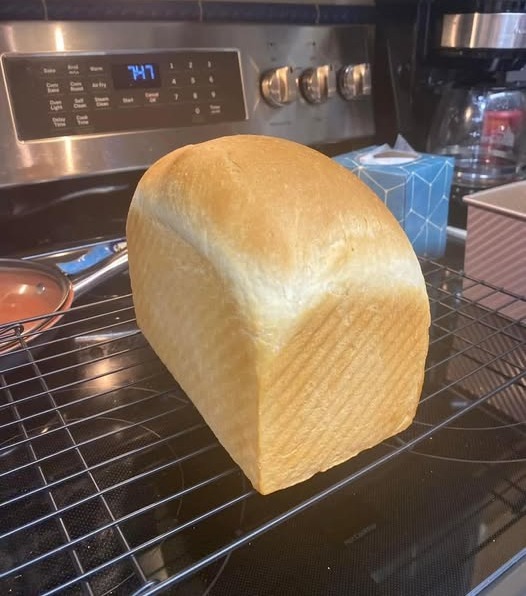
Gluten Free Small Loaf
Baking bread at home is a beautiful and joyful experience that brings a sense of warmth to your kitchen, but finding the right recipe when you have food sensitivities can be quite a challenge. This amazing and simple recipe is all about making a delicious and soft small loaf of bread that contains absolutely no gluten. Many people struggle with finding bread that does not fall apart or taste like cardboard when they remove wheat from their diet. This recipe solves all those problems by using special gluten free flour blends that give the bread a wonderful texture and a pleasant flavor. You do not need to be a professional baker or have fancy equipment to make this beautiful loaf right in your own home. The process is very straightforward, and it takes only a little bit of your time to mix the ingredients together before placing them into the oven to bake. The smell of fresh bread filling your house as it bakes will make you feel incredibly happy and satisfied with your baking skills. You will love how simple the steps are, and you can easily share this bread with your family and friends without worrying about anyone having tummy troubles. It is truly a wonderful way to enjoy the classic comfort of warm bread without any of the discomfort that comes from eating regular wheat products. When you bake this yourself, you control exactly what goes into your food, and you know there are no hidden chemicals or preservatives in your loaf.
People absolutely fall in love with this recipe because it gives you the exact same feeling as eating traditional bakery bread, but with none of the heavy and bloated feelings. When you bake this bread, you will notice how soft the inside becomes and how nice and crispy the outer crust turns out to be after baking. It is the perfect size for one or two people, which means you never have to worry about the bread going stale or getting moldy before you can finish eating it. Many people appreciate that you can slice this bread very easily without it crumbling into tiny pieces on your cutting board. The taste is very neutral and slightly nutty, making it the perfect base for any spread you like, whether it is sweet jam or savory butter. You can use it to make delicious sandwiches for your lunch or toast it until it is golden brown for a warm morning treat. Because it uses easy to find ingredients, you do not have to spend hours searching through specialty stores just to gather what you need for this wonderful baking project. It brings so much comfort and joy to your daily life, and you will find yourself wanting to bake it again and again every single week. Your kitchen will smell amazing, and your family will be very excited to eat this healthy treat with you.
You should make this delicious bread whenever you feel like treating yourself to something warm, comforting, and completely healthy after a long and tiring week. Sometimes your body needs a break from heavy and processed foods, and this simple loaf provides a light and gentle option that your stomach will thank you for. It is also an excellent choice for a slow weekend morning when you want to enjoy a quiet breakfast while drinking your favorite cup of coffee or tea. If you have friends or family members visiting who cannot eat wheat, baking this small loaf shows them how much you care about their health and happiness. The act of baking from scratch can be very calming and helps you relax your mind after a busy day at work or taking care of your household. You will feel a strong sense of pride and accomplishment when you pull this beautiful golden loaf out of your hot oven and smell the incredible aroma. It is not just about making food, it is about creating special memories and taking care of your loved ones by offering them a safe and nutritious meal. You can even wrap it in a clean cloth and give it to a neighbor as a friendly gift to brighten their day.
The process of mixing simple ingredients and watching them transform into a delicious loaf of bread gives you a deep connection with the food you eat every single day. When you slice into the warm loaf, you will see the beautiful texture and feel the softness that reminds you of traditional bakeries. You can choose to eat it plain, or you can add some melted butter or honey to make it an even more delightful treat. Many people who follow a healthy lifestyle or a specific diet find this bread to be a lifesaver when they miss the simple joy of having a sandwich. It keeps your energy levels steady throughout the day without causing the massive spikes in your blood sugar that often happen when you eat white bread. Teaching this easy recipe to your children or sharing it with your partner can become a beautiful bonding activity that brings you closer in the kitchen. You will realize that making your own gluten free bread is not only possible but also a very fun and rewarding experience that saves you money. The joy of creating something from scratch using your own hands is something special that brings happiness to your heart. Every single bite will remind you that simple and natural ingredients are the best things you can put in your body.
Ingredients You Will Need
To make the most delicious gluten free small loaf at home, you need to gather a few simple ingredients that you can easily find at your local market or grocery store. Having the right ingredients ensures that your bread tastes incredibly fresh, soft, and satisfying. Here is the list of everything you will need to prepare this wonderful beverage.
-
Gluten Free Flour Blend: One and a half cups of a good quality blend that contains xanthan gum. This acts as the main structure for the bread, giving it shape and volume.
-
Warm Water: Three quarters of a cup of clean and slightly warm water. This is necessary to activate the yeast and bring the dough together.
-
Active Dry Yeast: Two full teaspoons of active dry yeast. This living ingredient creates bubbles and helps the bread rise, making it fluffy and light.
-
Honey: One tablespoon of pure honey to provide a sweet food source for the yeast to grow, and to add a gentle natural flavor to the crumb.
-
Salt: Half a teaspoon of fine salt to add taste and balance the flavor, preventing the yeast from growing too fast.
-
Olive Oil: Two tablespoons of good quality olive oil. This adds moisture and softness to the bread, preventing it from drying out.
-
Egg Whites: Two large egg whites from fresh eggs. These provide extra protein and structure, helping the gluten free dough stay together and rise beautifully.
-
Apple Cider Vinegar: One teaspoon of raw apple cider vinegar. This adds a little acid to the mix, which helps the yeast create a better rise and improves the overall crumb.
Let us talk a little more about these ingredients and why they are chosen to be part of your beautiful loaf of bread. Making your own gluten free bread means you must be very careful with the flour you select. A good blend of rice flour, potato starch, and tapioca flour works wonders. Without gluten, the flour needs something to hold the moisture, and xanthan gum provides that stretchy texture usually found in regular wheat bread. When you pour the warm water over the yeast and honey, you are creating a perfect environment for the yeast to wake up and start making tiny gas bubbles.
The olive oil keeps your bread moist for several days so it does not become too hard or dry after cooling down. Egg whites act as the binder that holds everything together when the bread expands in the hot oven. The tiny splash of apple cider vinegar may sound a bit unusual, but it works like magic. It helps the yeast to work faster and makes the bread rise higher, giving it an airy and wonderful structure that you will love.
Step by Step Method
Making this gluten free small loaf is a very easy and joyful process. Follow these simple steps carefully to make sure your loaf turns out perfect every single time.
-
Step 1: Preparing your workspace and gathering all the ingredients. Before you start, gather all the items from your list. Put your ingredients on your kitchen counter where you can see them. Having all your supplies ready makes the entire baking process much faster and safer for you.
-
Step 2: Warming the water. Take a small measuring cup and pour three quarters of a cup of water into a microwave safe bowl. Warm it up for about fifteen seconds. Make sure the water is just warm to the touch and not too hot, otherwise the yeast will die and the bread will not rise.
-
Step 3: Activating the yeast. Add your honey and active dry yeast into the warm water. Stir it gently using a small spoon until the honey dissolves. Let the mixture sit for about ten minutes until you see a nice frothy layer on top. This tells you that the yeast is alive and working.
-
Step 4: Preparing the dry ingredients. Take a large mixing bowl and add your gluten free flour blend and salt. Use a whisk to mix the flour and salt together until they are well combined. This ensures that the salt is spread evenly throughout the dough.
-
Step 5: Mixing the wet ingredients. In a separate smaller bowl, whisk together the olive oil, egg whites, and apple cider vinegar until they are completely smooth and combined. The egg whites should be slightly frothy.
-
Step 6: Combining the wet and dry ingredients. Pour the yeast mixture and the wet ingredients into the large bowl with the flour. Use a wooden spoon or a spatula to mix everything together until you form a sticky dough.
-
Step 7: Kneading the dough. Because there is no gluten, you do not need to knead the dough for a long time. Just mix it vigorously for about two minutes until it becomes smooth and pulls away from the sides of the bowl.
-
Step 8: Shaping the small loaf. Lightly grease a loaf pan with some olive oil. Transfer your sticky dough into the pan and use a wet spatula to smooth the top of the loaf so it looks even and neat.
-
Step 9: The first rising process. Cover the loaf pan with a clean kitchen towel and place it in a warm corner of your kitchen. Let it rise for about forty five minutes or until the dough has noticeably increased in size.
-
Step 10: Preparing the baking pan. While the dough is rising, you can prepare the area around your oven. Ensure there are no items sitting on top of the oven that might catch fire while the heat is on.
-
Step 11: The second rising process. Once the dough has risen slightly, gently remove the towel. You can sprinkle some sesame seeds on top if you want some extra texture and a beautiful look on the crust.
-
Step 12: Preheating the oven. Turn your oven on to three hundred fifty degrees Fahrenheit and let it heat up for about ten to fifteen minutes before you put the loaf inside. A hot oven is important for the yeast to spring up.
-
Step 13: Baking the small loaf. Place the pan in the middle rack of the oven. Bake for about thirty five to forty minutes. The top should turn a beautiful golden brown color, and the house will smell amazing.
-
Step 14: Checking the bread. To make sure it is fully baked, tap the top of the loaf with your finger. If it sounds hollow, it is ready. You can also insert a wooden toothpick into the middle and if it comes out clean, the bread is fully baked.
-
Step 15: Cooling and slicing the bread. Remove the pan from the oven and let the loaf sit in the pan for ten minutes. Then, transfer it to a wire rack to cool down completely before slicing. Cutting it while it is hot can make it gummy.
Why This Recipe Is Special
There are many reasons why this recipe stands out among other bread recipes. First, the incredible health benefits that come with using high quality gluten free ingredients are truly remarkable. Many people who suffer from stomach pain or bloating after eating regular wheat bread find that removing gluten helps their digestive system heal and function better. The combination of ingredients in this small loaf provides your body with essential proteins and healthy fats that give you long lasting energy throughout the day without causing a crash.
Furthermore, the hydration factor is very important. Water and olive oil work together to keep the bread soft and moist, meaning it will not dry out easily. Eggs provide excellent protein that helps your muscles recover after a workout or a busy day. Because this is a small loaf, it is perfect for people who live alone or for small families. You can bake it quickly without having a huge amount of bread that might go bad before you can eat it.
Taste wise, this recipe offers a wonderful blend of nutty and earthy flavors. The olive oil gives the bread a rich and savory taste, while the honey adds a hint of sweetness that balances the salt perfectly. Unlike store bought gluten free bread that can often be very dry and crumbly, this blender and bowl method creates a soft, chewy texture that feels like real bread. It gives you a feeling of energy and satisfaction that often comes with comforting homemade meals.
Extra Tips for Better Taste
If you want to make your gluten free small loaf even more exciting and flavorful, you can try out several fun variations. These creative ideas will help you customize the recipe to suit your mood and satisfy your culinary curiosity:
-
Adding fresh herbs: Chop up some fresh rosemary or thyme and add it into the dough while mixing. The herbs pair beautifully with the nutty flavor of the flour and give your bread an extra earthy sensation that feels amazing during the cooler months.
-
Mixing in seeds: You can add half a cup of sunflower seeds, pumpkin seeds, or chia seeds to the dry ingredients. This creates a seedy loaf that tastes even more complex and provides more crunch.
-
Using milk instead of water: Instead of using plain water, try using warm almond milk or cow milk when mixing the dough. This gives your bread a richer flavor and a creamier texture that is great for making sweet toast.
-
Garlic and cheese infusion: Add two cloves of minced garlic and a quarter cup of shredded cheese to the dough. The savory kick of the garlic mixes perfectly with the melted cheese, creating a delicious dinner bread that goes well with soups.
-
Making it into bread rolls: If you want to share the dough easily, divide it into six equal pieces and shape them into small balls. Place them on a baking sheet and bake for twenty minutes to make soft dinner rolls.
-
Storing and freezing: If you make a large batch or want to save the bread, you can slice the entire loaf and freeze the slices in a sealed bag. You can pop these frozen slices into your toaster to enjoy a quick and warm slice of bread later.
Final Thoughts
Making your own gluten free small loaf is a highly rewarding experience that brings happiness and nutrition to your daily routine. You do not need professional training or expensive equipment to enjoy high quality, fresh bread at home. By simply using basic mixing tools and fresh ingredients, you take control of your health and treat yourself to something truly delightful. We hope you enjoy making this recipe and sharing it with your loved ones. Do not be afraid to experiment with the flavors and find the combination that makes you the happiest. Stay healthy, keep baking, and enjoy every single slice!
Nutrition Details
Understanding what goes into your body is a great way to maintain a healthy lifestyle. This nutrition guide provides an estimate of what you get in one serving of this homemade gluten free loaf, based on standard nutritional values.
Here are the estimated values per serving:
-
Calories: One hundred sixty calories
-
Total Carbohydrates: Twenty five grams
-
Dietary Fiber: Three grams
-
Natural Sugars: Two grams
-
Protein: Four grams
-
Total Fat: Five grams
-
Vitamin C: One milligram
-
Potassium: Eighty milligrams
-
Calcium: Thirty milligrams
-
Iron: One milligram
The calories in this recipe come mostly from the healthy fats in the olive oil and the natural proteins in the egg whites and the gluten free flour blend. Because you are using a good quality blend with fiber, you get the benefit of feeling full longer, which slows down the digestion of the food and prevents your blood sugar from rising too fast. The inclusion of olive oil helps your body absorb nutrients better, making this a very smart nutritional choice. Always remember that these numbers can change slightly depending on the exact brand of flour and the ingredients you choose to use.
Below is a breakdown of the nutrition details in a table format:
Disclaimer
The information provided in this article is for educational and informational purposes only. Everyone’s body is completely different, and individual results may vary depending on your personal health conditions, diet, and physical activity levels. Please consult with a qualified health professional or a registered dietitian before making significant changes to your diet or if you have any food allergies or medical concerns. The nutritional values provided are only estimates and should not be used for medical purposes.
