
Introduction
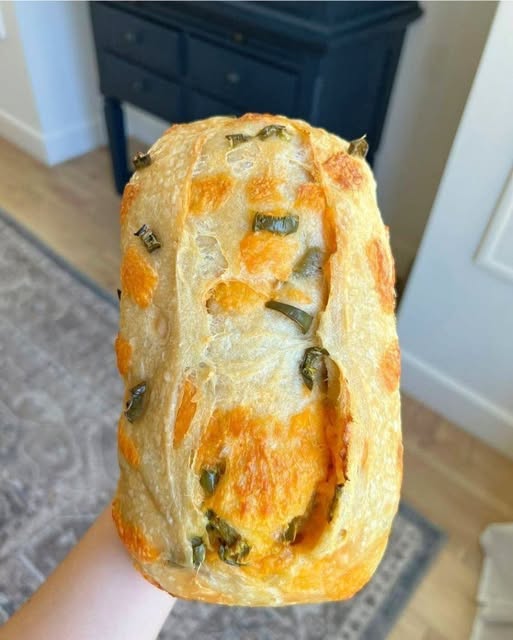
Making bread at home is one of the most comforting and rewarding kitchen experiences. Mastered crunchy sourdough is a special type of bread that has a crisp outside crust and a soft chewy inside texture. This bread is made using a natural sourdough starter instead of instant yeast. Because of this natural fermentation process, the bread develops a unique taste that many people describe as slightly tangy, rich, and deeply satisfying. When you bake this bread in your own kitchen, the smell that fills the room is warm and inviting. It feels like stepping into a small traditional bakery. Many beginners feel nervous about sourdough at first, but once you understand the simple steps, the process becomes relaxing and enjoyable.
People love crunchy sourdough bread for many reasons. The first reason is the texture. The outside becomes golden brown and crunchy while the inside remains soft, airy, and slightly chewy. When you slice it, you can hear the crisp crust crack gently under the knife. The flavor is another reason people fall in love with it. The slow fermentation process creates a deep taste that regular bread often does not have. This bread also pairs well with many foods such as butter, soup, cheese, eggs, and fresh vegetables. It can be enjoyed during breakfast, lunch, or dinner. Many people also appreciate the fact that sourdough bread often feels easier to digest compared to some commercial breads.
Another reason to make mastered crunchy sourdough is the emotional satisfaction it brings. Baking bread can feel calming and rewarding after a long day. The process of mixing, shaping, and watching the dough rise can help you slow down and enjoy the moment. It is also a great recipe to make when you want to share something homemade with your family or friends. Fresh sourdough bread can turn a simple meal into something special. Some people also make sourdough for health reasons because the natural fermentation may support better digestion and flavor development. Whether you want a comforting homemade food, a healthy bread option, or simply a fun baking project, this crunchy sourdough recipe is a wonderful choice.
Ingredients You Will Need
Here are the simple ingredients required to make mastered crunchy sourdough bread.
Bread flour 500 grams
Active sourdough starter 100 grams
Warm water 350 milliliters
Salt 10 grams
Rice flour 2 tablespoons for dusting
Olive oil 1 teaspoon for bowl greasing
These ingredients are simple and easy to find in most kitchens or grocery stores. The most important ingredient is the sourdough starter because it helps the bread rise naturally and develop its special flavor.
Step by Step Method
Step 1
Start by preparing a large mixing bowl. Add the bread flour and warm water into the bowl. Mix them together using your hands or a wooden spoon until a rough dough forms. Let the dough rest for about thirty minutes. This resting time helps the flour absorb the water properly.
Step 2
After the resting time, add the active sourdough starter to the dough. Mix it well so the starter spreads evenly through the dough. Then add the salt and continue mixing until everything is combined.
Step 3
Now begin kneading the dough. You can knead it directly in the bowl or on a clean kitchen surface. Use gentle folding and pressing motions for about ten minutes. The dough should start becoming smooth and stretchy.
Step 4
Lightly grease another bowl with a small amount of olive oil. Place the dough into this bowl and cover it with a clean cloth or plastic wrap. Allow the dough to rise at room temperature for about four to five hours. During this time, the natural fermentation will slowly develop flavor and structure.
Step 5
During the rising period, perform a simple stretch and fold technique every hour. Gently pull one side of the dough and fold it over the center. Turn the bowl and repeat the same motion from different sides. This step helps strengthen the dough.
Step 6
After the first rise is complete, place the dough onto a lightly floured surface. Shape the dough into a round loaf by folding the edges toward the center. Turn the dough over so the smooth side faces up.
Step 7
Prepare a proofing basket or bowl by dusting it with rice flour. Place the shaped dough inside with the smooth side facing down. Cover the dough again and allow it to rest for another two hours.
Step 8
While the dough is resting, preheat your oven to 230 degrees Celsius. Place a heavy baking pot or Dutch oven inside the oven while it heats. A hot pot helps create the crispy crust that sourdough bread is famous for.
Step 9
Carefully remove the hot pot from the oven. Place the dough inside the pot by turning it out from the proofing basket. Use a sharp knife to make a small cut on the top of the dough. This cut allows the bread to expand properly during baking.
Step 10
Cover the pot with its lid and place it back in the oven. Bake the bread for thirty minutes. After that, remove the lid and bake for another fifteen to twenty minutes until the crust becomes deep golden brown and crunchy.
Step 11
Once the bread is baked, remove it from the pot and place it on a cooling rack. Let it cool for at least one hour before slicing. This cooling time allows the inside texture to finish setting properly.
Why This Recipe Is Special
Mastered crunchy sourdough bread stands out because of its natural fermentation process. Instead of relying on commercial yeast, it uses a sourdough starter which contains natural yeast and beneficial bacteria. This slow fermentation helps develop deeper flavor and a better texture.
Another reason this recipe is special is its crispy crust and soft interior. The baking method using a hot pot helps trap steam during the first part of baking. Steam creates the beautiful crust that becomes crunchy and golden.
Many people also enjoy sourdough because it may support digestion. The fermentation process helps break down some of the flour components which may make the bread easier to digest for some people. The flavor also becomes richer and slightly tangy, which many bread lovers appreciate.
Finally, this recipe feels rewarding because it connects you with traditional baking methods that have been used for generations. Making bread from simple ingredients and patience can feel deeply satisfying.
Extra Tips for Better Taste
Use a strong and active sourdough starter. A healthy starter helps the dough rise well and improves the final flavor.
Allow enough fermentation time. Slow fermentation helps create better texture and taste.
Use high quality bread flour. Flour with higher protein helps create a stronger dough structure.
Try adding seeds for extra flavor. Sunflower seeds, sesame seeds, or pumpkin seeds can give the bread a delicious nutty taste.
Bake with steam for a crisp crust. Using a hot baking pot or placing a tray of water in the oven can help produce steam during baking.
Let the bread cool completely before slicing. Cutting too early may make the inside texture slightly gummy.
Store the bread in a cloth bag or paper bag. This keeps the crust crunchy while protecting the bread.
Final Thoughts
Mastered crunchy sourdough bread is more than just a recipe. It is a baking experience that brings warmth and satisfaction to your kitchen. From mixing the dough to hearing the crisp sound of the crust when slicing, every step feels rewarding. Even beginners can learn this process with patience and practice. Once you bake your first loaf, you may find yourself wanting to make sourdough again and again. The rich flavor, beautiful texture, and homemade feeling make it one of the most beloved breads around the world.
Nutrition Details
Below is an estimated nutrition table for the whole recipe and per serving. This recipe makes about eight slices.
| Nutrition | Whole Loaf | Per Serving |
|---|---|---|
| Calories | 1600 kcal | 200 kcal |
| Carbohydrates | 320 g | 40 g |
| Protein | 48 g | 6 g |
| Fat | 6 g | 0.7 g |
| Fiber | 12 g | 1.5 g |
| Sodium | 3900 mg | 487 mg |
These values are approximate and may vary depending on the exact ingredients used.
Disclaimer
This recipe and nutrition information are provided for general guidance only. Every person has a different body and dietary needs. The nutritional values are estimates and may change depending on ingredients and portion size. If you have specific health concerns or dietary restrictions, it is always best to consult a qualified health professional or nutrition expert before making major changes to your diet.
